


.webp)
1. Measure the width of your face
The width of your face is the main reference for choosing comfortable and proportionate glasses.
How to measure it?
Stand in front of a mirror with a ruler or measuring tape.
Measure from one temple to the other, just above the cheekbones.
If you don't have a ruler, a credit card (standard width 8.5 cm) can help as a visual reference.
Guideline:
| Face width | Recommended glasses size |
|---|---|
| Less than 12.5 cm | Small (up to 130 mm) |
| Between 12.5 and 14 cm | Medium (130–140 mm) |
| More than 14 cm | Large (more than 140 mm) |
2. Understand the measurements of the glasses
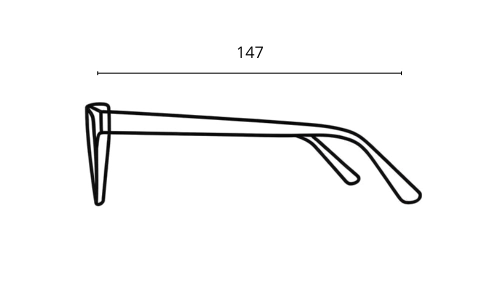
Almost all glasses have three numbers engraved on the inside of the temple, for example:
52▭20 145
These numbers represent:
- 52 mm → Lens width (from side to side)
- 20 mm → Bridge width (the part connecting the two lenses)
- 145 mm → Temple length
Add up the lens values (x2), the bridge, and a few extra millimeters for the frame to calculate the approximate total width.
3. Face shape
The contrast between the shape of your face and the shape of the glasses usually gives the best result:
| Face shape | Recommended type of glasses |
|---|---|
| Round | Angular or rectangular frames that slim the face |
| Square | Round or oval frames that soften the features |
| Oval | Almost any type of glasses, preferably proportional |
| Triangular | Frames that add volume to the upper part (aviator, cat-eye style) |
4. Consider your personal style
Besides the technical aspects, choose glasses that reflect your personality and fit your style. Whether they are sober, bold, modern, or classic, the important thing is that you feel yourself.